Hard Water, Well Water, City Water: What's Actually Coming Out of Your Tap?
- October 9, 2026
- Tips
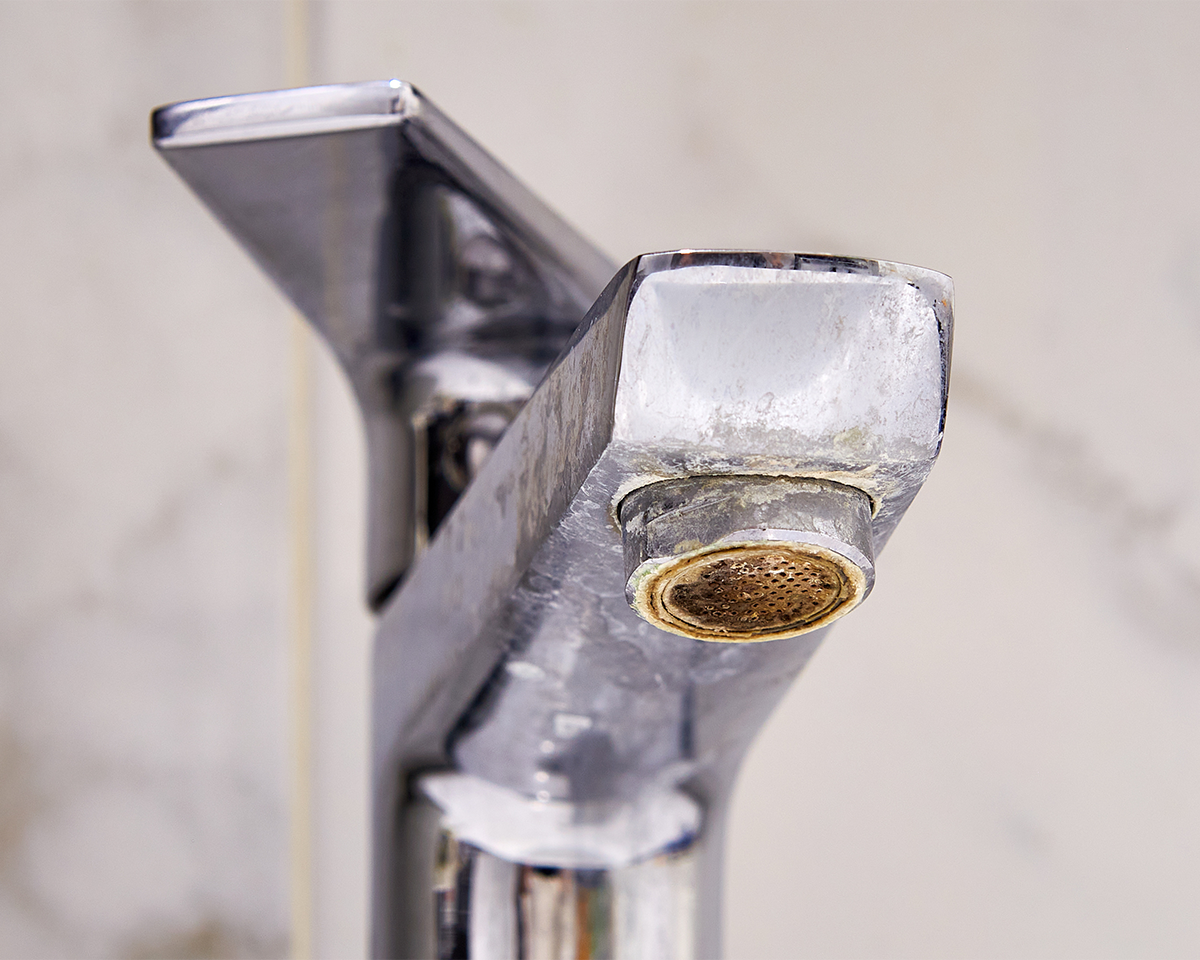
Most Central Ohio homeowners don't think much about their water until something seems off. Maybe it's white spots left behind on clean glasses, a film that keeps coming back on the shower door, soap that won't lather or tap water that just doesn't taste quite right.
These everyday annoyances can be signs that it's worth taking a closer look at what's coming from your tap, whether your home is on well water or city water.
And with October kicking off holiday cooking, baking and hosting season, now is a good time to understand your home's water and address any concerns before the busy season begins.
Well Water vs. City Water: What's the Difference?
Understanding the difference between well water and city water starts with knowing where your water comes from and who is responsible for monitoring it.
City or municipal water comes from a public water system that treats and monitors the water before distributing it to homes. Private well water comes from groundwater on or near your property, which means homeowners are responsible for testing their water and maintaining their well and related equipment.
When comparing well water vs. city water, there are a few other key differences and similarities to keep in mind:
- Water characteristics: Well water varies with local groundwater conditions, while city water reflects the municipal supply and treatment processes.
- Minerals: Both well and city water can contain minerals that contribute to hard water and scale buildup.
- Taste and odor: Either source can exhibit noticeable taste or odor, depending on its specific characteristics and treatment.
- Home treatment: Depending on your water, either source may benefit from additional treatment within the home.
Neither water source guarantees you'll avoid concerns like hard water, unusual tastes or mineral buildup. Municipal treatment, for example, doesn't necessarily eliminate the minerals that contribute to hard water.
Learn more about how hard water can affect your Columbus home.
How Does Well Water Work? Things to Know About Having Well Water
A private well uses a pump and pressure system to draw groundwater into your home and deliver it to your faucets and water-using appliances.
Because groundwater conditions vary by property, pay attention to changes such as:
- Changes in taste or odor
- Cloudy or discolored water
- Sediment
- Mineral buildup on fixtures or appliances
- Changes following flooding, repairs or other events that could affect the well
If something changes, a water analysis can help identify what's going on.
Signs of Hard Water and What Else Your Water Might Be Telling You
You don't need to be a water expert to notice when something seems off. Here are some of the most common clues around your home.
- Spots and Film: White residue on glasses, fixtures and shower doors often points to hard water minerals, not necessarily a dishwasher that isn't doing its job.
- Dry Skin and Dull Hair: If your skin feels dry or your hair seems dull year-round, hard water could be contributing to it. Those minerals can also make it harder for soap and shampoo to lather and rinse the way you expect.
- Unusual Taste or Smell: A noticeable metallic, sulfur-like, or chlorine taste or odor can indicate something in your water that's worth identifying, especially if your home relies on a private well.
- Cloudy Water: Water that regularly looks cloudy or discolored is another reason to take a closer look at your home's water quality.
Hard Water Can Affect More Than Your Glasses
Those annoying spots on your glassware are only part of the hard water you can easily see. Minerals can also accumulate inside appliances that use water every day, including your dishwasher, washing machine and water heater.
Your water heater is particularly important to watch. Sediment and scale buildup inside the tank can make the system work harder to heat your water. Over time, that added strain can affect performance and shorten equipment lifespan.
Reduced hot water, longer heating times or rumbling sounds from the tank can all be signs of sediment and scale buildup. Routine water heater maintenance, including a tank flush, can help keep that buildup in check.
Addressing hard water can help protect the appliances that rely on that water every day. For more seasonal tips on protecting the systems throughout your home, check out the Atlas Butler Homeowner's Guidebook.
Which Water Treatment Is Right for Your Home?
You can't determine everything about your water based on how it looks, tastes or smells. A professional water analysis can help identify specific concerns so you can address the actual issue instead of spending money guessing.
Once you know what's in your water, you can determine which type of treatment makes sense for your home. There's no single solution that's right for every household.
Reverse Osmosis for Drinking and Cooking Water
If your primary concern is the water your family drinks and cooks with, a point-of-use reverse osmosis (R/O) system may be the right fit.
Rather than treating every gallon entering the home, an R/O system provides treated water where you need it for drinking, filling water bottles, making coffee, cooking and more.
Watch this video to learn more about how this system works.
Whole-Home Water Treatment
If you're dealing with hard water, scale buildup or water quality concerns throughout your home, a whole-home approach may make sense.
Whole-home water treatment systems treat water before it reaches your faucets, showers and water-using appliances. Depending on your water analysis, the right solution could include purification, a water softener or a combination based on your home's needs.
Atlas Butler offers professional water purification system installation to ensure the system is properly matched to your household.
Know What’s in Your Water Before the Holidays
Between cooking, baking, making coffee, washing dishes and hosting overnight guests, the holidays can put your home's water to work. October is a great time to address any concerns before the busy season begins.
Schedule a FREE Water Analysis with Atlas Butler to learn more about your home's water and which solutions, if any, make sense for you.
Plus, when you schedule your free analysis, you'll be entered for a chance to win a Reverse Osmosis (R/O) System valued at $1,500, including equipment and installation. The offer runs from September through December, with one winner selected each month. Call us today to schedule.
Ready to learn more about your water? Call 1-800-FURNACE to schedule your free water analysis.