The First Cold Night: Is Your Furnace Ready?
- October 12, 2026
- Tips
There’s always that first chilly night in Central Ohio when fall suddenly feels a lot more like winter. You turn up the thermostat, the furnace kicks on for the first time in months, and you find out whether it’s ready for another cold season.
After sitting unused since spring, your furnace may have issues that aren’t obvious until it starts running again. Finding those problems early can help you avoid an unexpected heating issue when temperatures drop.
That’s why October is a good time to make sure your furnace is ready for the colder months ahead.
What to Do Before You Turn Your Furnace On
If you’re wondering what to do before you turn your furnace on, start with a few simple checks around your home:
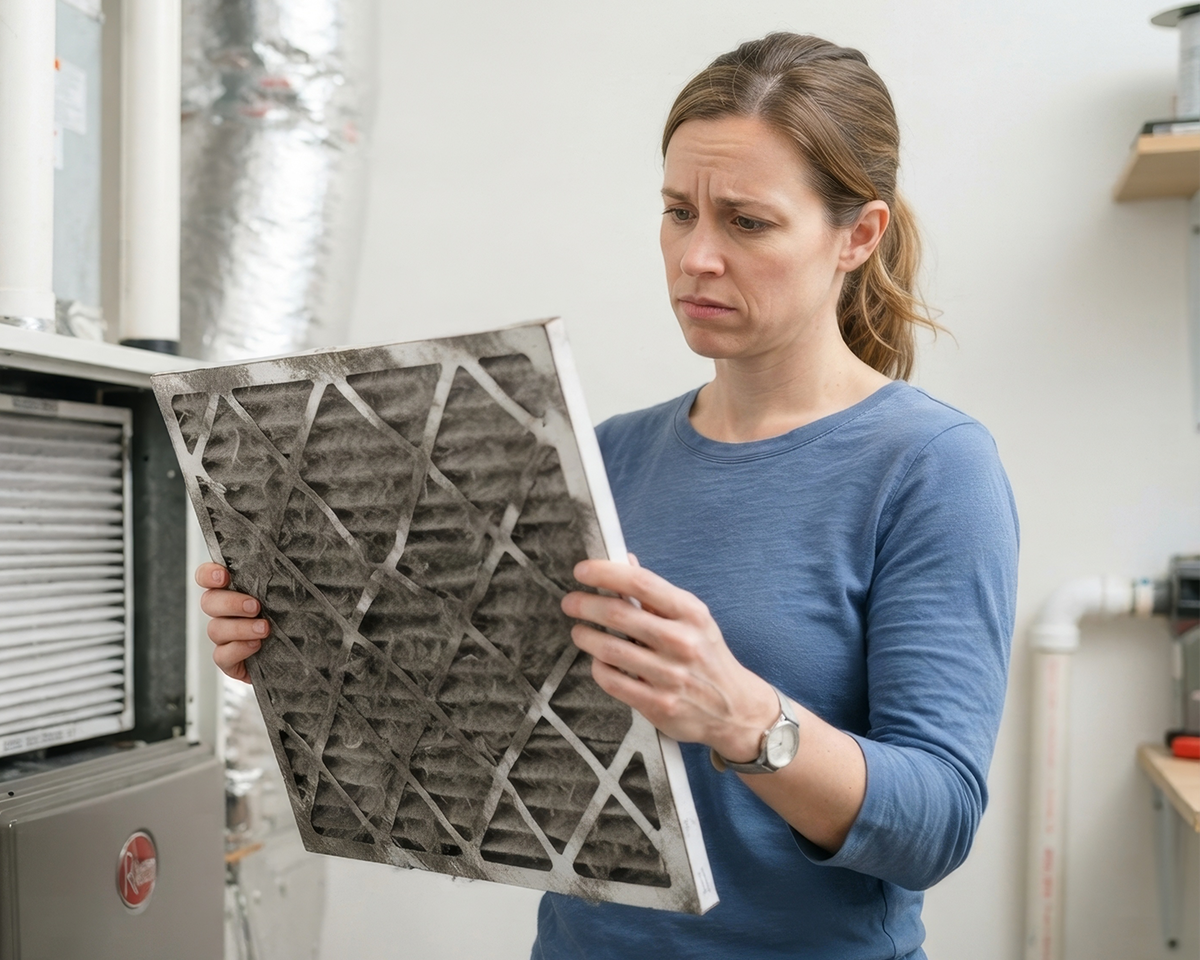
- Check the furnace filter. Replace it if it’s dirty or clogged. A clogged filter can restrict airflow and make your furnace work harder than it should.
- Check vents and registers. Make sure they aren’t blocked by furniture, rugs or other items.
- Clear the area around the furnace. Keep clutter and stored items away from the equipment.
- Test your carbon monoxide detectors. Make sure they’re working and replace batteries as needed.
- Turn your thermostat to heat. Give the system time to start, and pay attention to unusual noises, persistent odors or heating problems.
- Schedule professional maintenance. If your furnace hasn’t been inspected for the season, a professional check-up can identify issues that aren’t obvious to the average homeowner.
These simple steps can help you catch potential problems before the first truly cold Central Ohio night.
Start With Carbon Monoxide Safety
For homes with gas furnaces, one of the most important safety concerns is carbon monoxide (CO).
Carbon monoxide is a colorless, odorless gas that can be dangerous or even deadly. Because you can’t see or smell it, working CO detectors are essential.
Make sure detectors are installed on every level of your home, test them regularly and replace batteries as needed. If an alarm sounds, get everyone, including pets, outside into fresh air and call 911 or your local fire department from a safe location. Never assume it’s a false alarm.
Professional maintenance can also uncover furnace problems that may create a CO risk. One Atlas Butler customer experienced exactly that:
“During our regular scheduled Heating Maintenance, it was discovered that our heater had the potential of leaking carbon monoxide due to a part that was rusted out. Our technician, Doug pointed the problem out to us and, told us he would need to order the part and would return to fix the problem when the part arrived. He did so and all is well. Excellent, excellent, customer service as always!!!” — Bridgett O., Columbus
Learn more about protecting your household in our Furnace Safety 101 blog.
What to Expect When You Turn Your Furnace On for the First Time
When you’re ready to turn your furnace on for the season, set your thermostat to “heat,” choose your desired temperature and give the system a few moments to start.
You may not feel warm air immediately as the furnace goes through its startup process. As it begins heating your home, pay attention to how it sounds, smells and performs. A brief dusty or burning smell after sitting unused for months can happen as dust burns off, but other changes may be signs that your furnace needs attention.
Furnace Warning Signs: Know When Something Isn't Right
Watch for:
- Unusual noises: Banging, grinding, rattling or other unfamiliar sounds deserve attention.
- Persistent odors: Strong or persistent odors shouldn’t be ignored. If you smell rotten eggs, leave the home and contact your gas utility or emergency services from a safe location.
- Poor or uneven heating: Weak airflow or rooms that aren’t warming evenly may signal a problem.
- Trouble starting or staying on: If your furnace repeatedly tries to start, shuts down unexpectedly or isn’t producing heat, it’s time to have the system checked.
- A CO alarm: Leave the home immediately and contact emergency services from a safe location.
If something doesn’t seem right, don’t try to diagnose or repair internal furnace components yourself. A trained HVAC technician can safely determine what’s preventing the system from operating normally.
Our guide to how to know your furnace is working safely covers additional signs to watch for, and Atlas Butler offers furnace service and repair when your system needs professional attention.
Your First-Night Furnace Safety Checklist
Before that first truly cold Central Ohio night, here’s a quick recap:
- Check your CO detectors. Make sure there’s a working detector on every level of your home. Test each alarm and replace batteries when necessary.
- Pay attention to warning signs. Strange noises, persistent odors, poor airflow and uneven heating are all reasons to have your system checked.
- Check the filter. Replace a dirty or clogged filter so your furnace can maintain proper airflow.
- Schedule professional furnace maintenance. A professional inspection can uncover problems, including potential CO concerns, before they turn into a no-heat call on a freezing night.
And sometimes those inspections catch problems homeowners wouldn’t otherwise know were there:
“Atlas Butler did a great job! Our furnace was turned off when they found a crack starting in the metal during a routine furnace checkup. They came out the next day at 8:00 a.m. to install a new furnace and A/C.” — Kris H., Clintonville
Make Sure Your Furnace Is Ready for the First Cold Night
If your furnace doesn’t seem to be working properly when you turn it on for the season, Atlas Butler is available 24/7. Whether you’re preparing for colder weather or suddenly find yourself without heat, our experienced furnace technicians are ready to help homeowners across Columbus and Central Ohio.
Call 1-800-FURNACE to schedule your furnace service and head into the first cold night with confidence.